
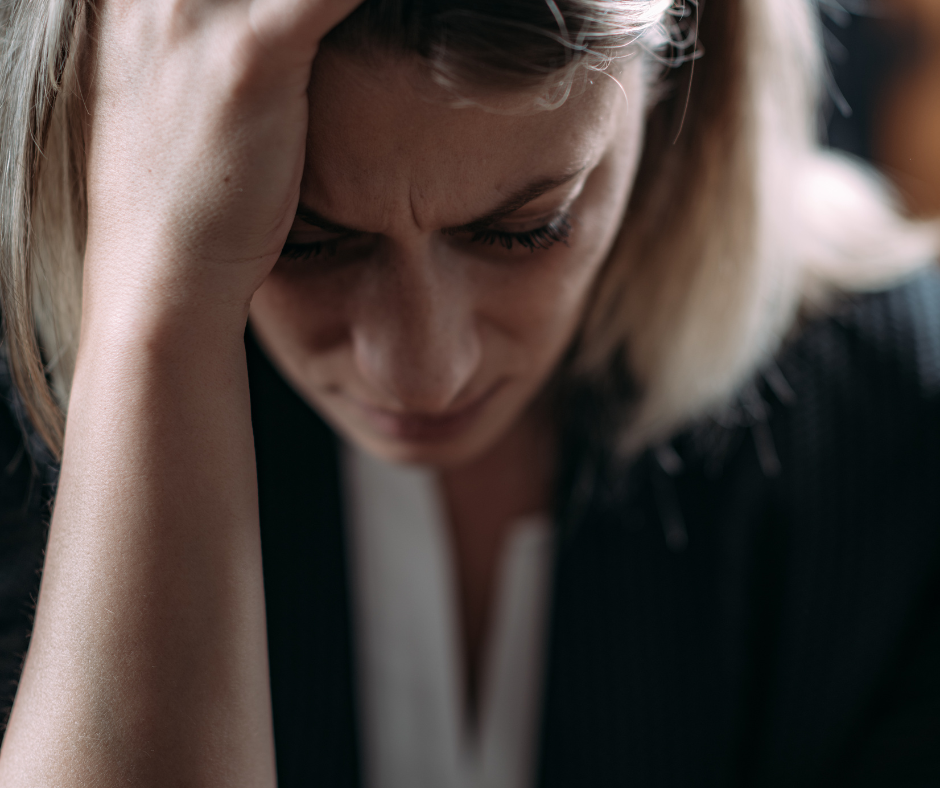
Understanding PTSD: Symptoms, Causes, and Paths to Recovery
Post-Traumatic Stress Disorder is not only experienced by soldiers; it is a genuine response to overwhelming events that can affect anyone, including you or someone you love. PTSD is really a mental health condition that can stem after an individual experiences or witnesses any type of traumatic event.
What Is PTSD, Really?
PTSD is what happens when your brain’s alarm system gets stuck in the “on” position after something terrifying happens. It’s like your body doesn’t know the danger is over.
This could stem from combat experiences, yes, but also from car accidents, assaults, natural disasters, medical trauma, childhood abuse, or the sudden loss of a loved one. While it’s completely normal to feel shaken after something traumatic (who wouldn’t?), PTSD is when those feelings don’t fade and start messing with your daily life.
Some people develop symptoms right away. Others might be fine for years before something triggers their PTSD. There’s no “right” timeline for trauma.
How PTSD Shows Up (When You Least Expect It!)
PTSD symptoms can catch you off guard in ways you might not expect. Sometimes, it manifests as vivid flashbacks that transport you back to a traumatic moment. Other times, it may come in the form of nightmares that leave you waking up in a panic, drenched in sweat. For many, the constant feeling of being on edge is prevalent—always waiting for something bad to happen, every single day. You may find yourself startled by unexpected noises, snapping at loved ones, or feeling the need to check the locks multiple times before going to bed.
Many people find themselves avoiding anything that reminds them of what happened—taking longer routes to avoid certain locations, changing the channel when certain topics come up on TV, or declining invitations to places that might trigger memories.
And sometimes, the symptoms aren’t obvious at all. You might feel emotionally numb, disconnected from people you love, or convinced that nothing good will ever happen again. It can feel like watching your life through a dirty window.
Why Some People Develop PTSD (And Some Don’t)
Here’s the frustrating truth: there’s no perfect formula for predicting who’ll develop PTSD. Two people can experience the exact same event, and one walks away relatively unscathed while the other struggles for years.
Factors like your support system, previous trauma history, and even genetics can influence how your brain processes traumatic events. First responders and military personnel face higher risks due to repeated exposure to trauma, but PTSD can affect anyone—regardless of age, profession, or background.
Let us be crystal clear about one thing: developing PTSD isn’t a character flaw. Your brain is trying to protect you the only way it knows how. Unfortunately, the very mechanisms meant to keep you safe can end up keeping you stuck.
The Messy Reality of Recovery
Healing from PTSD isn’t usually a straight line. It’s more like a winding path with some backtracking, detours, and occasional steep climbs.
There are several approaches that have helped many people, such as Cognitive Behavioral Therapy which helps you identify and change thought patterns that keep you trapped in fear. EMDR therapy that uses guided eye movements to help your brain process traumatic memories differently. Also, some people find relief through medication, mindfulness practices, or creative expression like art or music.
Sometimes what works for someone else won’t work for you. Many people try different therapies before finding their fit—and that’s completely normal.
The Hard Days and the Good Days
Recovery can be challenging. There will be setbacks, including unexpected triggers and days when anxiety feels overwhelming. It might seem like these setbacks erase months of progress, but they are often a normal part of the recovery process. Many people find that they recover more quickly from setbacks than they did during their initial journey.
There are also breakthrough moments that make the struggle worthwhile: the first time you handle a triggering situation without panicking, the night you sleep through without nightmares, or the moment you realize you can genuinely laugh again.
At Singing River Services, we’ve created a space where you don’t have to explain yourself or pretend you’re fine when you’re not. Whether you’re just starting to recognize your symptoms or have been struggling for years, reaching out is an act of courage, not weakness.
Recovery doesn’t mean forgetting what happened. It means the memory no longer controls your life. And there is absolutely hope on the other side of trauma, even if it doesn’t feel possible right now.